Explore the world, feature by feature.
Discover the mountains, waters, deserts, volcanoes, and living systems that give our planet its shape.
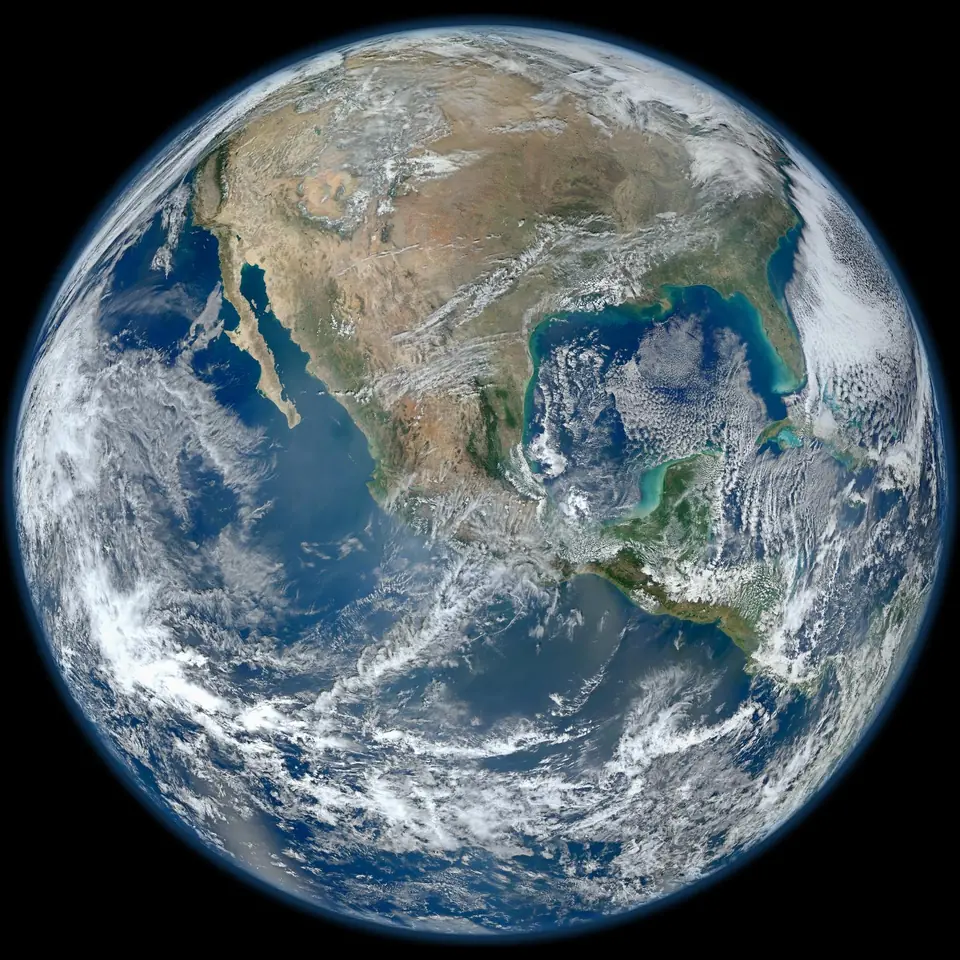
Seven ways into the atlas
Follow the physical systems that shape a place, from high relief and flowing water to drylands and coral shelves.
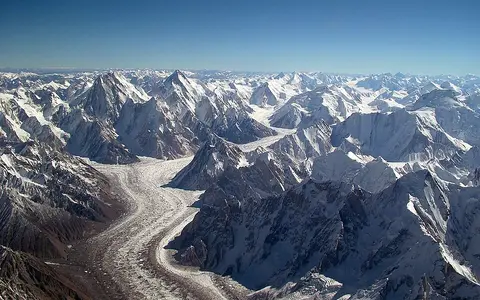
Mountains ↗
Ranges, massifs, ridges, plateaus, and the forces that raise them.
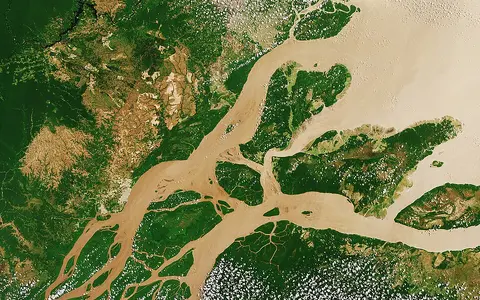
Rivers ↗
Headwaters, tributaries, floodplains, and outlets.
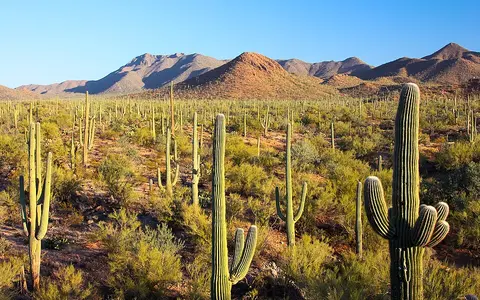
Deserts ↗
Dunes, salt basins, stone plains, and cold drylands.
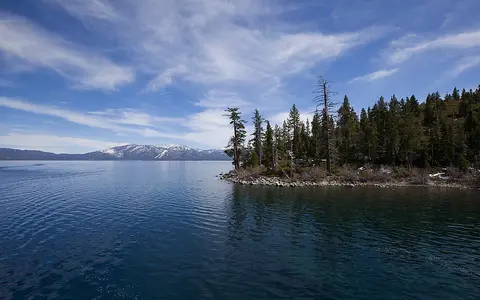
Lakes ↗
Freshwater, saline basins, rift lakes, and ancient shores.
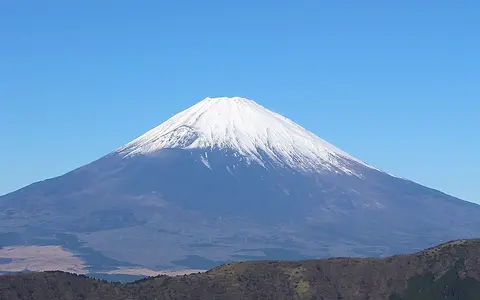
Volcanoes ↗
Cones, calderas, lava fields, and the landscapes built by eruptions.
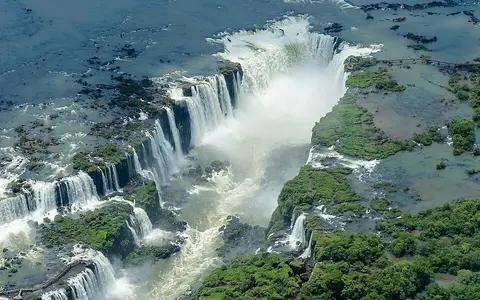
Waterfalls ↗
Cataracts, plunge pools, escarpments, and gorges.
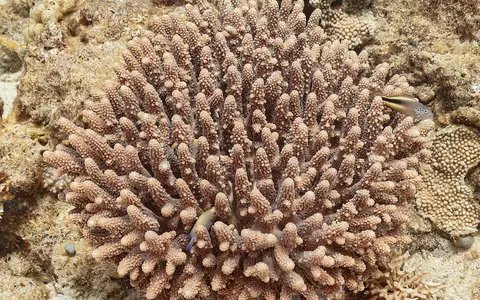
Reefs ↗
Barrier reefs, atolls, lagoons, and continental shelves.
Landscape image credits
- Karakoram: Guilhem Vellut, CC BY-SA 2.0.
- Amazon River: ESA, CC BY-SA 3.0 IGO.
- Sonoran Desert: Joe Parks, CC BY 2.0.
- Lake Tahoe: Lara Farhadi, CC BY 2.0.
- Mount Fuji: Suicasmo, CC BY-SA 4.0.
- Iguazu Falls: Enaldo Valadares, CC BY-SA 3.0.
- Red Sea coral reef: Diego Delso, CC BY-SA 4.0.


,_Ras_Katy,_Sharm_el-Sheij,_Egipto,_2022-03-26,_DD_108.jpg)

Where the Earth meets the sky
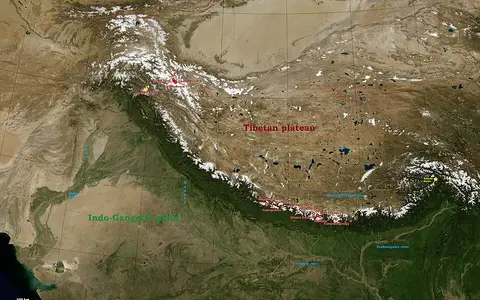
The Himalayas bring together the planet's highest relief, vast stores of ice, and the headwaters of river systems that cross much of Asia.
Start with a remarkable place
Three distinct natural systems, each with a clear route into a wider region and terrain family.
Find your next place in the natural world.
Browse the complete catalog by feature type, then follow connected landscapes across the atlas.